

Have you heard about the BackInAction study?
Funded by the NIH and carried out across multiple regions of the country, this landmark trial looked at something we rarely see studied well: how acupuncture helps older adults living with chronic low back pain, the group most affected by this condition and the most overlooked in research.
We break down what makes this trial unique compared to most acupuncture research.
And in Business, there’s a free Marketing workshop on 12/9 worth checking out!
— Kim
PRESS

RESEARCH
From JAMA:
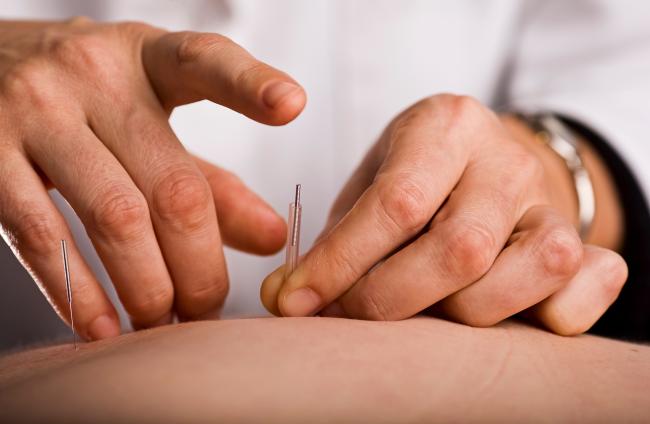
What makes this study different:
It focused on adults 65+ — the group most in need, but least studied.
Very few acupuncture trials examine outcomes specifically for older adults. BackInAction enrolled 800 people aged 65 and up, making it one of the largest and most age-relevant acupuncture trials ever conducted.It used real-world licensed acupuncturists delivering standard manual acupuncture.
This wasn’t a lab-only experiment — it was pragmatic and community-based. Licensed acupuncturists provided care exactly as it happens in everyday practice, making the results highly applicable to clinicians.It compared acupuncture to usual medical care (meds, PT) — and acupuncture won.
At both 6 and 12 months, the acupuncture groups showed greater improvements in disability, pain intensity, physical function, and anxiety than those receiving usual care alone.The benefits lasted.
Improvements were still present a full year after enrollment, suggesting acupuncture’s effects for chronic back pain in older adults are not just short-term or situational.It reinforced what we see clinically: acupuncture is safe, even in complex patients.
Across 800 older adults — many managing other medical conditions — adverse effects were minimal. That’s a major point in a population where pharmacologic options carry significant risk.
The study (Acupuncture for Chronic Low Back Pain in Older Adults: A Randomized Pragmatic Clinical Trial) was supported by NIH's Helping to End Addiction Long-term® Initiative, or NIH HEAL Initiative®, under award number UG3AT010739/UH3AT010739 administered by the National Center for Complementary and Integrative Health (NCCIH) with additional scientific support from the National Institute of Aging (NIA). The NIH HEAL Initiative seeks to speed scientific solutions to the overdose epidemic, including opioid and stimulant use disorders, and the crisis of chronic pain.
BUSINESS

CEUS
Note: Courses listed are CAB-approved; many also carry other state or NCCAOM approvals. Listings subject to change. Please verify details, CE hours, and eligibility directly with provider. Links point to provider sites; you may need to navigate to the specific registration page.
Dec 2: Crucial Clinical Conversations: Acupuncture, Dry Needling, and Myofascial Pain
2.5 CEUs • CSOMA
Dec 5: Advanced Diagnostic Studies
8 CEUs • Academy of Chinese Culture & Health Sciences
Dec 6: Be Like Water: Integration & True Receiving
8 CEUs • The Way of Yin, LLC
Dec 6: Neurofunctional Acupuncture: Upper Extremity Treatment Strategies
14 CEUs • Integrative Acupuncture & Bodywork
Dec 6: QiGong Techniques to Improve Client Healing
4 CEUs • Pacific College of Health and Science
Dec 6: The Art of Demystifying Bloodwork
8 CEUs • Northeast Colleges of Health Sciences
Dec 6: The Nutrition Exam: Easy, Functional Tests That Work
8 CEUs • Northeast Colleges of Health Sciences
Dec 6: What's Blood Got to do With it?
8 CEUs • Northeast Colleges of Health Sciences
Dec 8: Latest YNSA Protocols for Meniere's Disease, Tinnitus and Other ENT Disorders
4 CEUs • Lotus Institute of Integrative Medicine
Thanks for reading,

Kim Neumann, Publisher


